
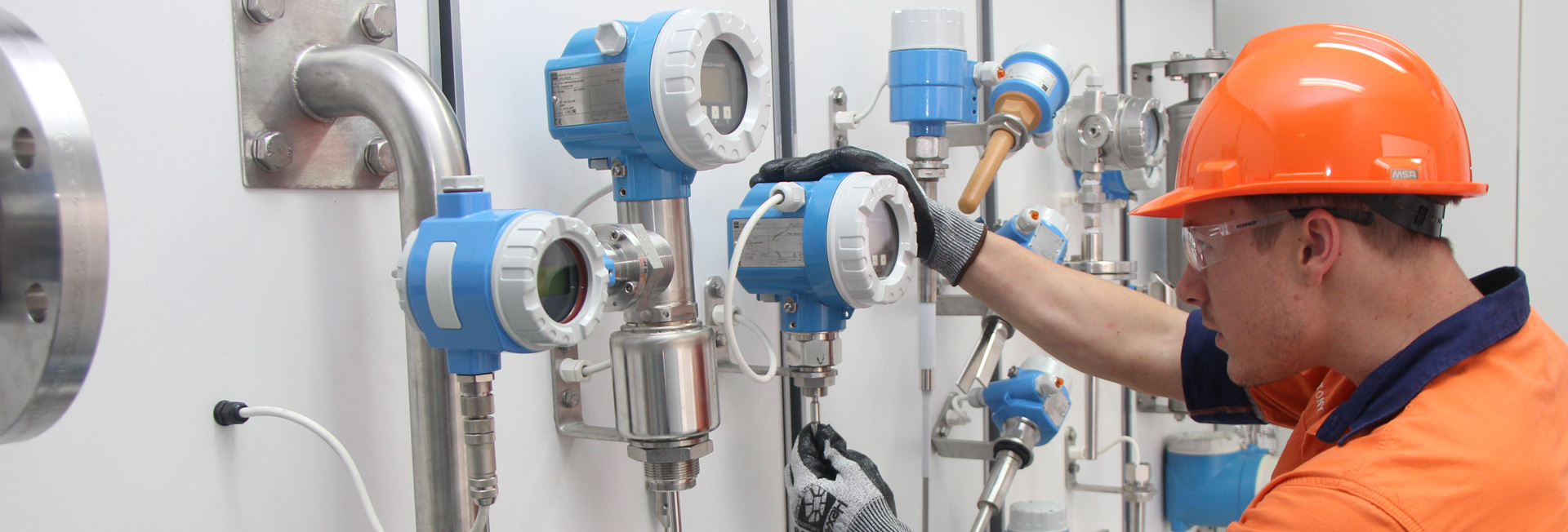


High voltage awareness training is essential for maintaining a safe working environment in industries dealing with electrical systems. Employers must ensure their staff are properly trained to handle high voltage equipment and recognise potential hazards. This specialised training helps prevent accidents, reduce downtime, and protect both employees and equipment.
Electrical accidents can result in serious injuries and even fatalities. By providing comprehensive high voltage awareness training, employers can significantly reduce these risks. Workers learn how to safely operate and maintain high voltage systems, understand the importance of following safety protocols, and know how to respond in emergencies.
Implementing high voltage awareness training is not just about compliance with safety regulations. It also fosters a culture of safety within the workplace. This proactive approach ensures that all employees are aware of the dangers associated with high voltage equipment and are well-prepared to mitigate potential risks. Considering the high costs associated with electrical incidents, investing in proper training is a smart and responsible decision for any business.
Importance of High Voltage Awareness Training
High voltage awareness training is crucial for safety in any industry dealing with electrical systems. This training educates employees on the dangers of high voltage systems and teaches them how to work safely. Without proper training, the risk of accidents, injuries, and fatalities increases significantly.
One primary benefit of this training is accident prevention. Electrical accidents can lead to severe injuries and could even be fatal. When employees are aware of the hazards and know how to handle high voltage equipment properly, the chances of such incidents are greatly reduced. This training ensures that workers understand safety protocols and follow them diligently, thereby safeguarding their own lives and those of their colleagues.
Additionally, high voltage awareness training contributes to overall workplace efficiency. Trained employees can quickly identify and rectify potential issues before they lead to equipment failure or prolonged downtime. A well-trained team minimises the risk of costly repairs and ensures a smoother, more efficient operation.
Employers must meet legal requirements and comply with Australian Standards, such as AS/NZS 3000:2018, to ensure a safe environment. Providing high voltage awareness training helps businesses comply with these regulations, avoiding potential legal liabilities and fines.
Key Components of Effective High Voltage Training
Effective high voltage training must cover several vital components to ensure comprehensive knowledge and safety for all participants. These elements form the foundation of a robust training program.
Understanding High Voltage Systems: Participants must first learn about different high voltage systems, their components, and how they operate. This understanding is critical for recognising potential hazards and knowing how to work safely around such systems.
Safety Procedures and Protocols: One of the most crucial aspects of high voltage training is teaching safety procedures. This includes understanding how to wear personal protective equipment (PPE) correctly, how to lockout/tagout devices to ensure they are safely isolated, and how to follow proper procedures when working on high voltage systems.
Hazard Identification and Risk Assessment: Workers must be taught how to identify potential hazards associated with high voltage equipment. This includes recognising signs of electrical faults, understanding the risks of arc flashes, and performing regular risk assessments. This proactive approach helps in mitigating risks before they escalate into serious problems.
Emergency Response Training: Knowing how to respond in an emergency is critical. High voltage training should include emergency response procedures to ensure that workers can act swiftly and efficiently in case of an incident. This preparation includes knowing whom to contact, how to administer first aid for electrical injuries, and understanding evacuation protocols.
Hands-On Practice: Classroom learning must be complemented with hands-on practice. Practical exercises help reinforce theoretical knowledge and give participants the confidence to apply what they’ve learned in real-world scenarios. This hands-on approach ensures that they can safely and effectively handle high voltage systems.
Regular Updates and Refreshers: Electrical standards and technologies are constantly evolving. Effective high voltage training programs should include regular updates and refresher courses to keep participants current with the latest safety protocols and best practices.
Are you thinking about sending your crew for a certifications course? We provide specialised onsite training, Check out the range of courses available and call us 1300 761 366.
Common High Voltage Hazards and How to Mitigate Them
Working with high voltage systems involves significant risks. Understanding common hazards and ways to mitigate them is crucial for safety.
Electric Shock: Electric shock is one of the most serious hazards of high voltage systems. To mitigate this risk, workers should always wear appropriate personal protective equipment (PPE) such as rubber gloves and insulating boots. Equipment should be regularly inspected and maintained to ensure it is in good working condition.
Arc Flash: An arc flash occurs when there is a sudden release of electrical energy through the air. This can cause severe burns, blindness, and even death. To prevent arc flashes, workers should adhere to strict lockout/tagout procedures and use arc flash protective clothing.
Explosions: High voltage equipment can sometimes cause explosions, especially in environments with flammable gases or dust. Using intrinsically safe equipment that meets standards like AS/NZS 60079 reduces the risk of triggering explosions.
Fire: Electrical faults can lead to fires. Installing proper fire detection and suppression systems near high voltage areas is essential. Also, ensuring all electrical installations comply with AS/NZS 3000:2018 reduces fire risks.
Equipment Failures: Faulty or poorly maintained equipment can cause breakdowns and hazards. Regular maintenance and inspections help in identifying wear and tear before it becomes a problem. Ensuring all equipment is tested and certified according to industry standards also mitigates risks.
Inadequate Training: A lack of proper training increases the likelihood of accidents. Ensuring all employees receive thorough high voltage awareness training, including regular refreshers, helps maintain a high level of safety.
Steps to Implement High Voltage Training for Your Team
Implementing high voltage training for your team involves several critical steps. Proper planning ensures that the training is effective and meets safety standards.
- Assess Training Needs: Begin by assessing the specific needs of your team. Identify who requires training and the level of training necessary. Consider the types of high voltage systems they work with and the associated risks.
- Choose a Reputable Training Provider: Select a registered training organisation (RTO) like Volt Edge that offers specialised high voltage training courses. Ensure the provider is accredited and their courses meet Australian Standards.
- Develop a Training Plan: Create a detailed training plan outlining the objectives, schedule, and required resources. Decide whether the training will be conducted onsite, online, or through a blended approach. Ensure the plan includes both theoretical knowledge and hands-on practice.
- Schedule Training Sessions: Coordinate with the training provider to schedule sessions at convenient times. Consider your team’s work schedule to minimise disruption. Communicate the schedule clearly to all participants.
- Monitor and Evaluate: Track the progress of the training program. Use assessments and feedback to evaluate its effectiveness. Ensure that participants understand the material and can apply it in their work environment.
- Provide Ongoing Support and Refreshers: High voltage training should not be a one-time event. Arrange for regular refresher courses and updates as safety standards evolve. Encourage a culture of continual learning and safety awareness.
Are you thinking about sending your crew for a certifications course? We provide specialised onsite training, Check out the range of courses available and call us 1300 761 366.
Final Thoughts
High voltage awareness training is a critical element in ensuring workplace safety and efficiency. By understanding the importance of this training, recognising its key components, and being aware of common hazards, employers can create a safer work environment. Proper training not only helps prevent accidents but also ensures compliance with Australian Standards, reducing legal liabilities.
Implementing an effective training program involves careful planning and execution. By assessing the specific needs of your team, choosing the right training provider, and maintaining ongoing education, you can ensure that your workforce is well-prepared to handle high voltage systems safely.
Employers must prioritise high voltage awareness training to protect their employees and assets. Investing in comprehensive training programs like those offered by Volt Edge is essential for fostering a culture of safety and operational excellence.
Are you thinking about sending your crew for a certifications course? We provide specialised onsite training, Check out the range of courses available and call us 1300 761 366.